Tether to use $23 billion gold reserve for bullion-backed loans

Tether is putting its reported $23 billion gold stockpile to work through bullion-backed loans, adding another layer to the company’s asset strategy. The move highlights how the stablecoin issuer is extending beyond crypto into commodity-backed financing.

Tether to use $23 billion gold reserve for bullion-backed loans

What happened?

Tether is putting its reported $23 billion gold stockpile to work through bullion-backed loans, adding another layer to the company’s asset strategy. The move highlights how the stablecoin issuer is extending beyond crypto into commodity-backed financing.

Why it matters

The development matters because it shows how one of crypto’s largest companies is linking digital-asset business with traditional commodity finance. For readers and market participants, it adds another example of how stablecoin issuers are expanding their treasury and reserve management strategies beyond cash and short-term instruments.

Tether is beginning to use its reported $23 billion gold stockpile as collateral for bullion-backed loans, according to the source. The move gives the stablecoin issuer a way to put part of its gold reserves to work rather than holding them only as balance-sheet assets.

The development matters because it shows how one of crypto’s largest companies is linking digital-asset business with traditional commodity finance. For readers and market participants, it adds another example of how stablecoin issuers are expanding their treasury and reserve management strategies beyond cash and short-term instruments.

Gold-backed lending can also be relevant for counterparties and lenders looking for collateralized exposure tied to a physical asset. In Tether’s case, the reported reserve size suggests it has the scale to participate in this market in a meaningful way.

The move comes as Tether continues to operate at the intersection of crypto, reserve management and broader financial markets. While the source does not provide further details on loan terms or counterparties, the arrangement underscores the company’s effort to make use of its non-crypto assets.

For the crypto ecosystem, the story is another sign that large stablecoin issuers are increasingly acting like diversified financial firms, not just token operators. That shift may continue to shape how the market thinks about reserve composition, liquidity and the role of real-world assets in digital finance.


Source: CoinDesk

Keep exploring

Related stories

Circle Shares Slip After Revenue Miss Despite Earnings Beat

Circle Shares Slip After Revenue Miss Despite Earnings Beat

Circle shares fell in premarket trading after the stablecoin issuer beat adjusted earnings expectations but missed Wall Street revenue forecasts. The company also reported growth in USDC activity and new institutional backing for its Arc blockchain network.

Read
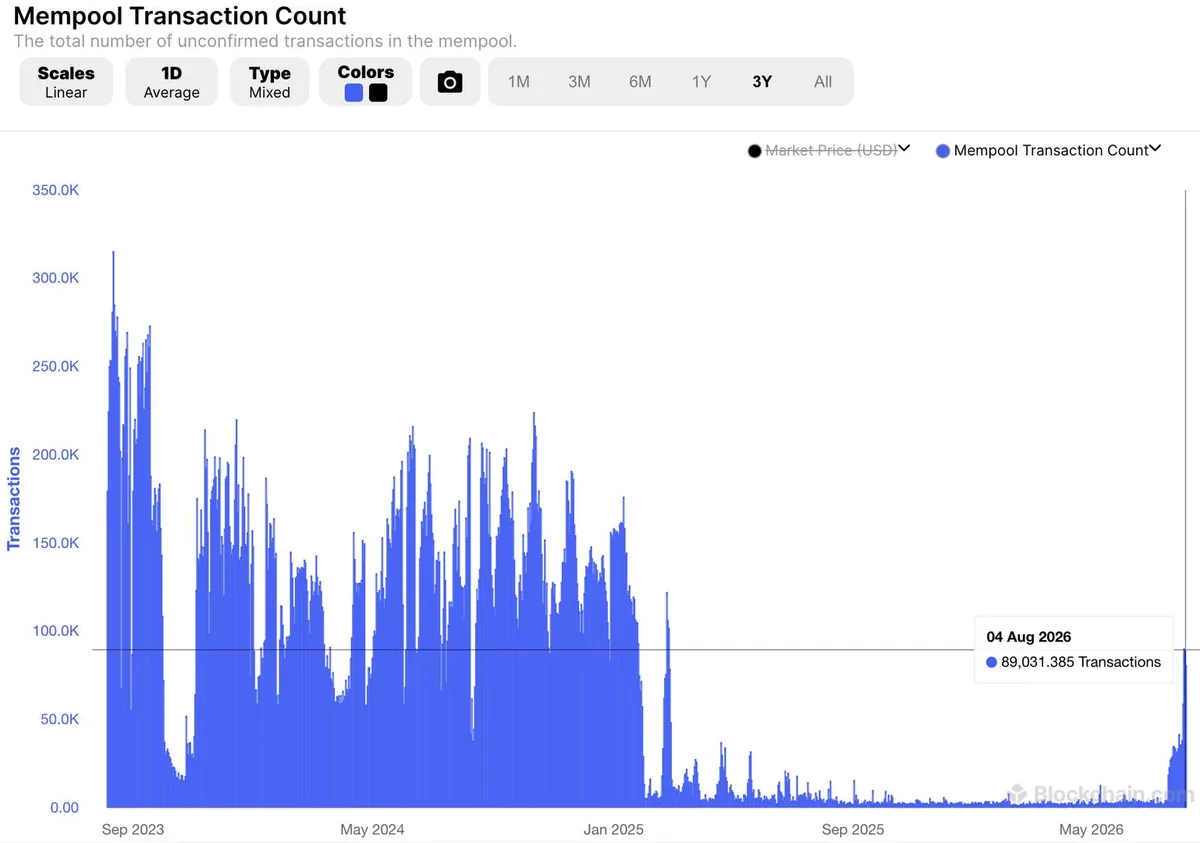
Coldcard Hack Sends Bitcoin Mempool Activity to Highest Level Since 2025

Coldcard Hack Sends Bitcoin Mempool Activity to Highest Level Since 2025

A reported $120 million Coldcard hardware wallet hack that began on July 30 has coincided with a sharp rise in Bitcoin network activity. CoinDesk cited Blockchain.com and Santiment data showing a jump in pending transactions, active addresses and whale transactions, while BTC remained in a tight trading range.

Read
Ethereum Developers Propose Reward Burn to Limit Staking Growth

Ethereum Developers Propose Reward Burn to Limit Staking Growth

Ethereum developers have submitted EIP-8361, a proposal that would burn a rising share of validator rewards and reduce net consensus yield to zero if roughly half of ETH is staked. The plan would phase in over 18 months, while critics including Lido’s staking chief warn it could pressure specialist node operators.

Read