
CoinDeskAug 02, 06:50 AM
Strategy Keeps STRC Dividend at 12%
Strategy said it is holding the dividend on its STRC preferred stock at 12%. The decision keeps the payout unchanged for investors in the company’s yield-focused security.
ReadThe Federal Reserve, Treasury and other U.S. financial regulators proposed customer identification standards for stablecoin issuers under the GENIUS Act. The draft rule would require issuers to verify customers, keep identity records and check names against government lists, with a 60-day public comment period now open.
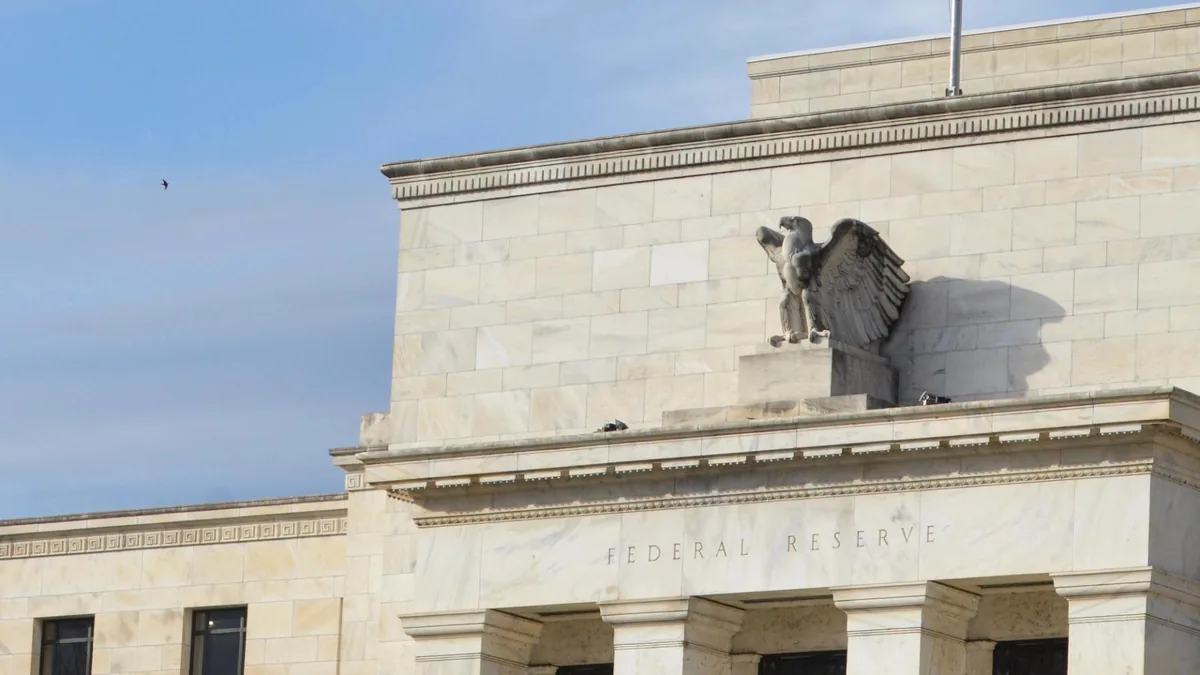
The Federal Reserve, Treasury and other U.S. financial regulators proposed customer identification standards for stablecoin issuers under the GENIUS Act. The draft rule would require issuers to verify customers, keep identity records and check names against government lists, with a 60-day public comment period now open.
The rulemaking comes as stablecoins remain dominated by crypto-native firms such as Tether, issuer of USDT, and Circle, issuer of USDC, while traditional financial firms also explore the market. Regulators are still working through a broader implementation process for the GENIUS Act, the first major U.S. crypto law focused on bringing a key part of the sector into the federal financial regulatory system.
U.S. financial regulators have proposed new customer identification rules for stablecoin issuers, advancing implementation of the GENIUS Act. The Federal Reserve, Treasury Department, Office of the Comptroller of the Currency, Federal Deposit Insurance Corp., National Credit Union Administration and FinCEN are involved in the joint effort, which is now open for a 60-day public comment period.
The proposal matters because it would move stablecoin issuers closer to the compliance model used by banks, brokerages and other regulated financial firms. Under the GENIUS Act, permitted payment stablecoin issuers are expected to meet Bank Secrecy Act requirements and maintain systems to verify customer identities, a framework aimed at addressing money laundering, illicit finance and terrorism financing risks.
According to the proposed rule described by CoinDesk, issuers would need reasonable procedures to verify people seeking to open accounts, retain records used in identity checks, and determine whether customers appear on government lists of known or suspected terrorists or terrorist organizations. The draft follows an earlier preliminary request for comment in September, after which Treasury received 450 comments.
The rulemaking comes as stablecoins remain dominated by crypto-native firms such as Tether, issuer of USDT, and Circle, issuer of USDC, while traditional financial firms also explore the market. Regulators are still working through a broader implementation process for the GENIUS Act, the first major U.S. crypto law focused on bringing a key part of the sector into the federal financial regulatory system.
One unresolved question is whether customer identification rules should extend beyond issuer accounts into secondary market activity. Fed Governor Michael Barr said he remains concerned that the GENIUS Act framework does not yet go far enough to address illicit finance risks in secondary-market payment stablecoin transactions, and the 130-page proposal asks for public input on whether and when such requirements should apply.
Keep exploring

Strategy said it is holding the dividend on its STRC preferred stock at 12%. The decision keeps the payout unchanged for investors in the company’s yield-focused security.
Read
Bitcoin ended July with a monthly gain, though analysts expect August could be more volatile. They said the recent forced-selling pressure that weighed on the market appears to have already run its course.
Read
The latest State of Crypto update says the industry has two weeks left in the push for the Clarity effort. The development keeps attention on U.S. crypto policy as companies and market participants watch for regulatory direction.
Read