U.S. Treasury yields, often treated as the market’s risk-free benchmark, are rising again, and CoinDesk’s Aug. 11 Daybook warns that the move could pressure both stocks and bitcoin. The article points to comments from Fidelity Investments’ Jurrien Timmer, who noted that from the 1960s through the mid-1990s, higher Treasury yields made government bonds more competitive with equities.
The issue matters because a higher risk-free rate changes the hurdle for every other asset. When investors can earn more from government debt, riskier markets have to offer a stronger case, whether through earnings, cash flows, growth expectations or a compelling store-of-value narrative.
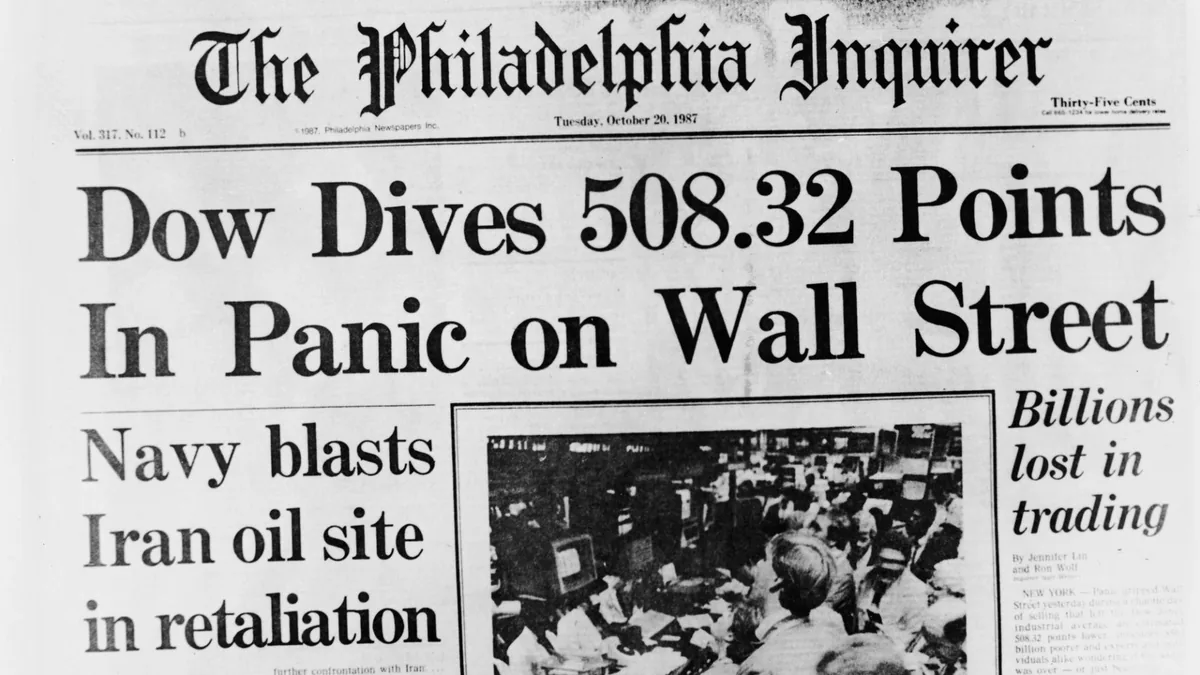
CoinDesk uses the 1987 Black Monday crash as historical context for what can happen when markets ignore the opportunity cost created by rising yields. On Oct. 19, 1987, the Dow Jones Industrial Average fell 508.32 points, or 22.6%, still the largest one-day percentage decline in its history.
The comparison is timely because yields have broadly climbed since the Covid-era market crash in 2020, echoing the early phase of the long yield uptrend that began in the late 1950s, according to the article. CoinDesk said the 30-year Treasury yield is near its highest level since 2007 and could move higher if Wednesday’s U.S. CPI report comes in above estimates, reinforcing expectations for higher-for-longer Federal Reserve rates.
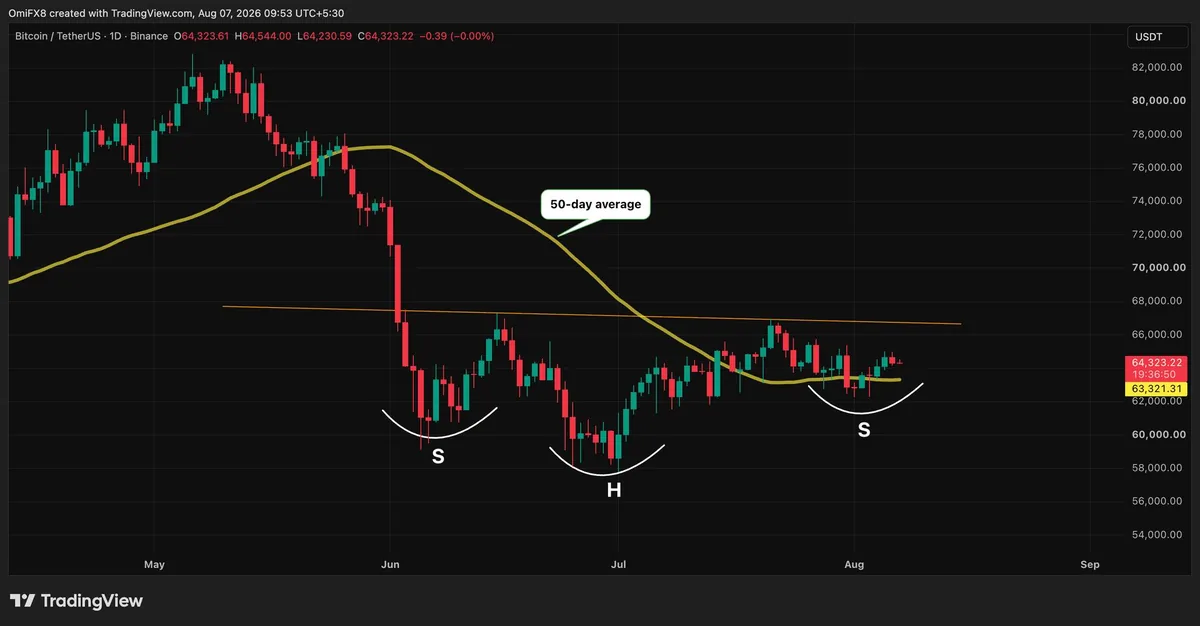
For bitcoin, the valuation question is more difficult than it is for stocks. Companies can point to earnings or cash flows, while bitcoin’s case rests on its perceived role as digital gold and a hedge against fiat currency depreciation. CoinDesk cautioned that this does not mean a repeat of past market crashes is inevitable, but it does mean capital that once chased momentum now has a safer competing destination.