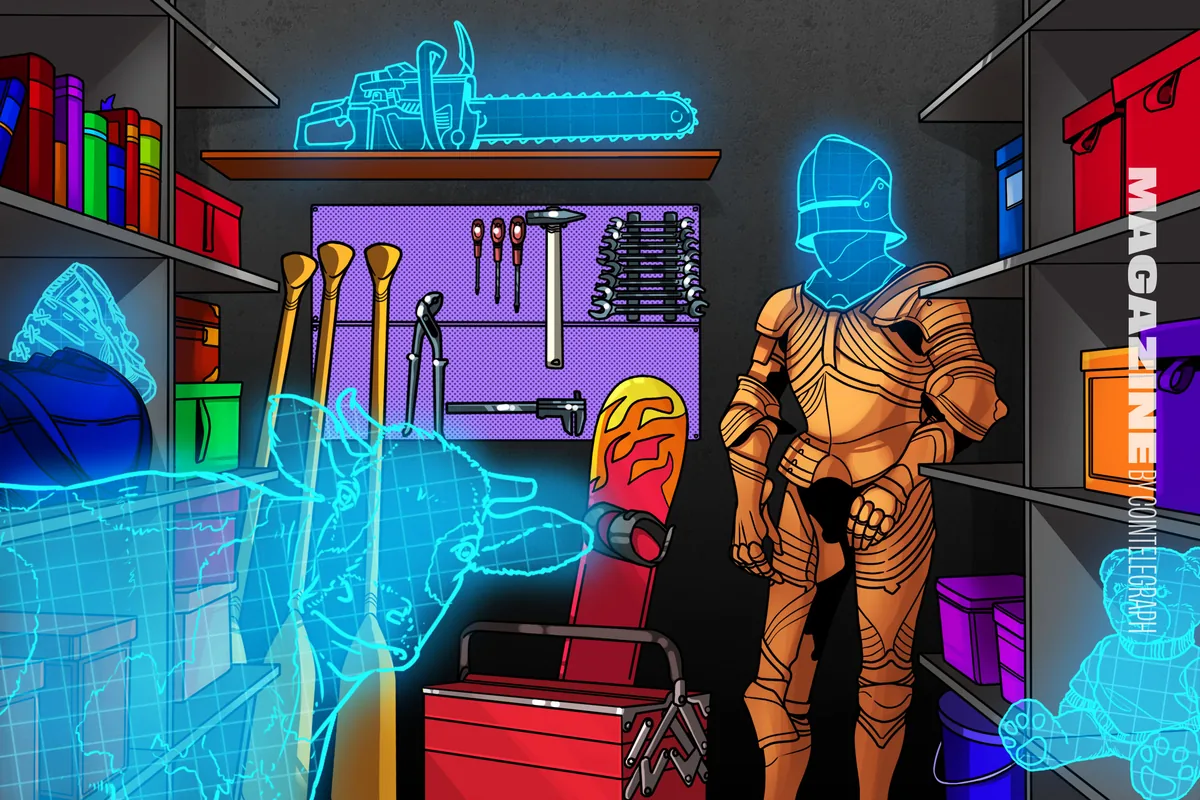
Tokenized cows may have grabbed attention recently, but they are only the latest example of crypto culture turning unusual real-world objects and ideas into onchain assets. According to the source material, earlier experiments have included farts, human skin and destroyed artworks, placing the cow tokens within a broader history of strange blockchain collectibles.
The story matters because it shows how tokenization has often been used not only for financial assets, but also for cultural stunts, conceptual art and internet-native experiments. These projects test what people are willing to recognize as ownable, collectible or meaningful once a blockchain record is attached to it.
NFTs helped make that question mainstream by giving creators a way to attach scarcity and provenance to digital or symbolic items. In some cases, that has produced serious art and gaming projects; in others, it has produced deliberately absurd collectibles designed to provoke attention and debate.
The more unusual examples also underline a persistent tension in crypto culture. Tokenization can be pitched as a tool for practical ownership records, but the same infrastructure can also be used for spectacle, parody or performance art. That mix has made NFTs both influential and easy to mock.
For readers, the takeaway is that tokenized cows are not an isolated oddity. They sit in a long-running pattern where blockchain communities use onchain records to experiment with value, identity and culture, sometimes in ways that are intentionally bizarre.