DuckDuckGo’s Meta-Trolling Sunglasses Sell Out in Under a Week

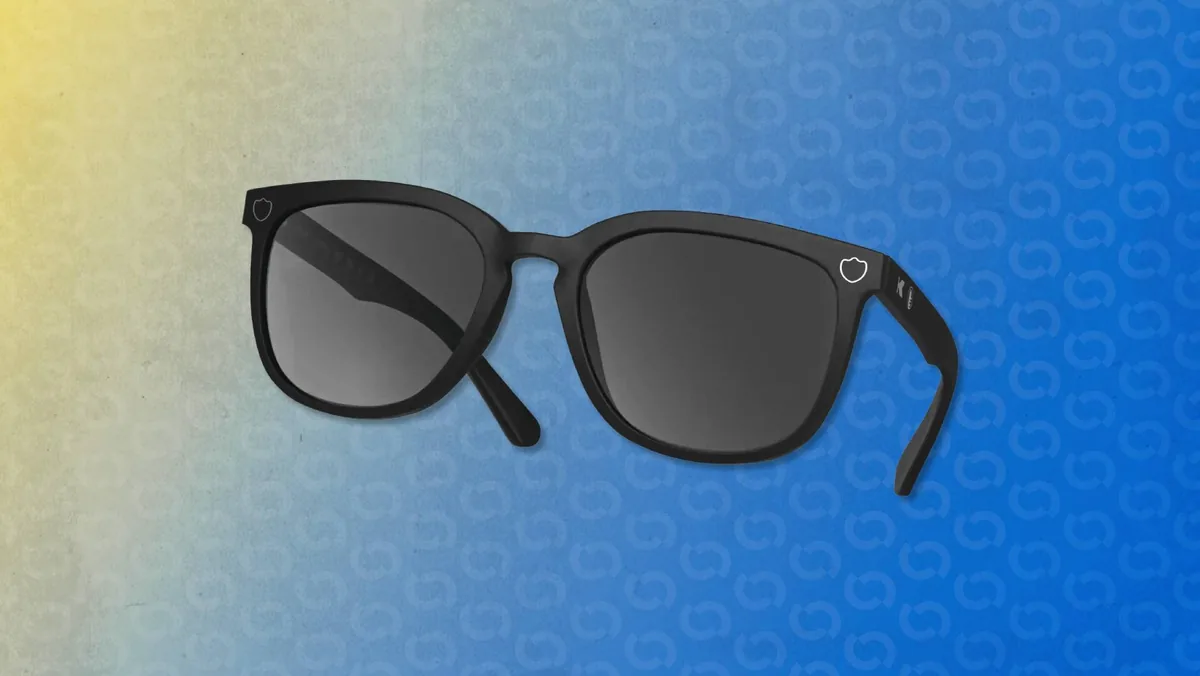
DuckDuckGo’s $35 “Normal F***ing Sunglasses” sold out in under a week. The frames were marketed as regular sunglasses with polarized lenses, UV protection, and no cameras, microphones, batteries, or electronics.

DuckDuckGo’s Meta-Trolling Sunglasses Sell Out in Under a Week

What happened?

DuckDuckGo’s $35 “Normal F***ing Sunglasses” sold out in under a week. The frames were marketed as regular sunglasses with polarized lenses, UV protection, and no cameras, microphones, batteries, or electronics.

Why it matters

DuckDuckGo’s $35 “Normal F***ing Sunglasses” sold out in under a week, according to Decrypt. The privacy-focused company positioned the product as a direct jab at tech-enabled eyewear, emphasizing what the glasses do not include: no camera, no microphone, no battery, and no electronics of any kind.

DuckDuckGo’s $35 “Normal F***ing Sunglasses” sold out in under a week, according to Decrypt. The privacy-focused company positioned the product as a direct jab at tech-enabled eyewear, emphasizing what the glasses do not include: no camera, no microphone, no battery, and no electronics of any kind.

The sellout matters because it shows how privacy messaging can still break through in consumer tech culture. Rather than competing on features, DuckDuckGo leaned into a simple contrast: sunglasses that are just sunglasses, framed as a response to devices that add sensors and connectivity to everyday objects.

The frames themselves were described as having polarized lenses and UV protection, with the $35 price point making them more of a pointed cultural product than a high-end hardware launch. The appeal appears tied as much to the joke and brand positioning as to the eyewear.

Decrypt described the release as “Meta-trolling,” suggesting the campaign was aimed at the broader smart-glasses conversation and the companies pushing connected wearables. DuckDuckGo’s version inverted that pitch by making the absence of cameras, microphones, and electronics the selling point.

With the sunglasses now sold out, the campaign becomes a small but visible example of privacy branding moving beyond browsers and search tools into consumer merchandise. It also underlines how tech companies can use limited physical products to turn a stance into a shareable cultural moment.

Source: Decrypt

Keep exploring

Related stories

The Strangest Things Crypto Has Put Onchain

The Strangest Things Crypto Has Put Onchain

Tokenized cows are part of a longer tradition of unusual blockchain experiments. Past examples have stretched from bodily oddities to destroyed artworks, showing how far NFT and tokenization culture has pushed the idea of digital ownership.

Read
Tokyo Asks Washington to Stop Using Mario, Pokémon and Naruto Memes

Tokyo Asks Washington to Stop Using Mario, Pokémon and Naruto Memes

Tokyo has asked Washington to stop posting memes featuring Mario, Pokémon and Naruto without permission. The request highlights the tension between meme-driven political messaging and Japan’s strict intellectual property norms.

Read
Ready Player One Creators Launch Readyverse for Metaverse IP

Ready Player One Creators Launch Readyverse for Metaverse IP

Ready Player One author Ernest Cline and producer Dan Farah have co-founded Readyverse. The project is focused on developing a metaverse tied to Ready Player One and other intellectual properties.

Read