Tokyo Asks Washington to Stop Using Mario, Pokémon and Naruto Memes

Tokyo has asked Washington to stop posting memes featuring Mario, Pokémon and Naruto without permission. The request highlights the tension between meme-driven political messaging and Japan’s strict intellectual property norms.

Tokyo Asks Washington to Stop Using Mario, Pokémon and Naruto Memes

What happened?

Tokyo has asked Washington to stop posting memes featuring Mario, Pokémon and Naruto without permission. The request highlights the tension between meme-driven political messaging and Japan’s strict intellectual property norms.

Why it matters

The development matters because characters like Mario, Pokémon and Naruto are not just internet shorthand; they are valuable intellectual property tied to major Japanese media and gaming companies. When state-linked accounts use those characters for political messaging, it can blur the line between casual meme culture and unauthorized brand use.

Tokyo has asked Washington to stop using memes featuring Mario, Pokémon and Naruto without permission, according to Decrypt. The request puts some of Japan’s best-known pop culture properties at the center of a dispute over official social media messaging.

The development matters because characters like Mario, Pokémon and Naruto are not just internet shorthand; they are valuable intellectual property tied to major Japanese media and gaming companies. When state-linked accounts use those characters for political messaging, it can blur the line between casual meme culture and unauthorized brand use.

The clash also reflects a broader shift in how governments communicate online. Meme-heavy statecraft can travel quickly across social platforms, but it can also run into legal and diplomatic limits when it borrows from globally recognized franchises.

For crypto-native readers, the episode is familiar territory: online culture often moves faster than licensing rules. The same tension has shaped debates around NFTs, fan art and tokenized culture, where recognizable characters can create attention while raising ownership and permission issues.

Tokyo’s message is straightforward: even widely shared pop culture symbols remain protected assets. The dispute shows that in official communications, viral reach does not remove the need for rights clearance.
Source: Decrypt

Keep exploring

Related stories

The Strangest Things Crypto Has Put Onchain

The Strangest Things Crypto Has Put Onchain

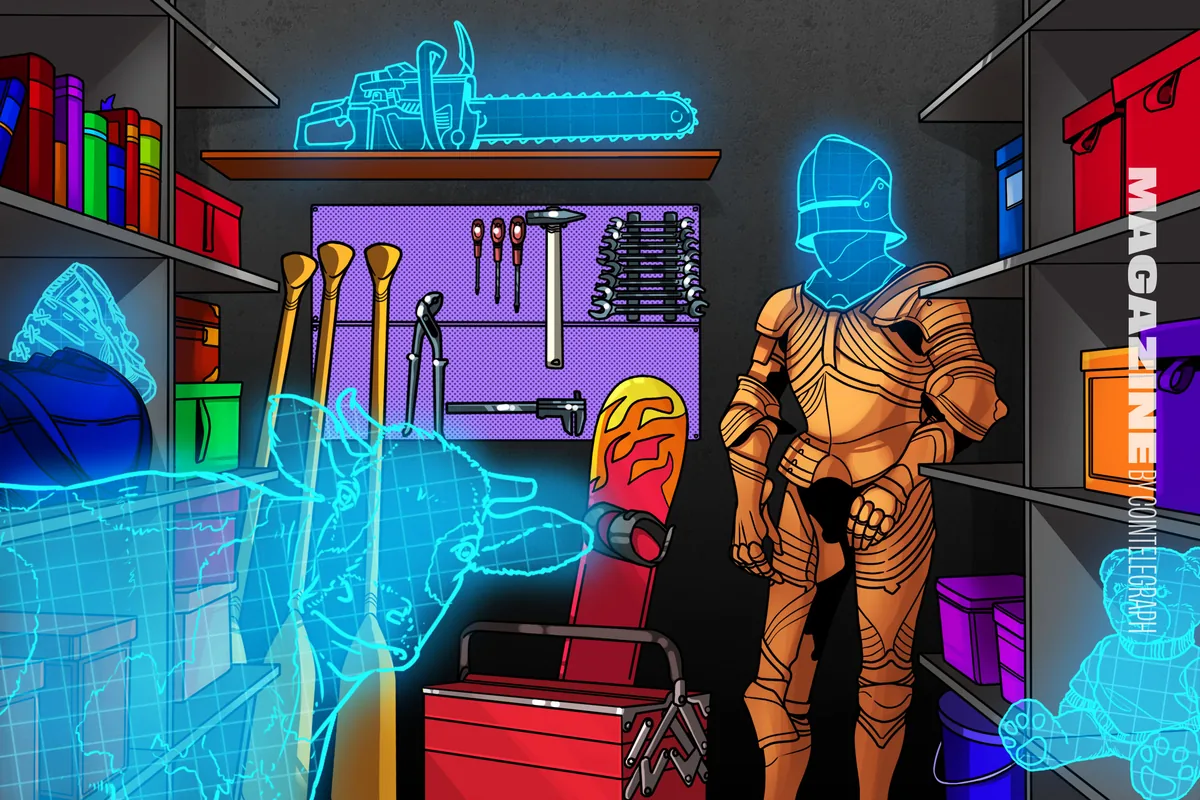
Tokenized cows are part of a longer tradition of unusual blockchain experiments. Past examples have stretched from bodily oddities to destroyed artworks, showing how far NFT and tokenization culture has pushed the idea of digital ownership.

Read
DuckDuckGo’s Meta-Trolling Sunglasses Sell Out in Under a Week

DuckDuckGo’s Meta-Trolling Sunglasses Sell Out in Under a Week

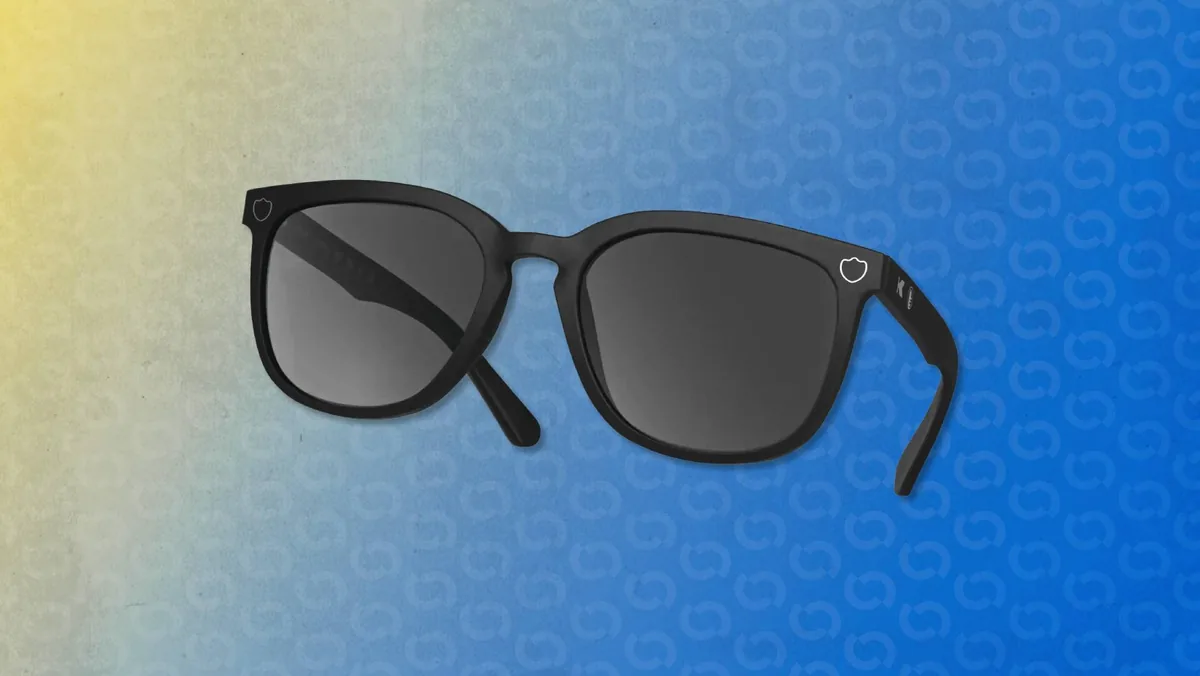
DuckDuckGo’s $35 “Normal F***ing Sunglasses” sold out in under a week. The frames were marketed as regular sunglasses with polarized lenses, UV protection, and no cameras, microphones, batteries, or electronics.

Read
Ready Player One Creators Launch Readyverse for Metaverse IP

Ready Player One Creators Launch Readyverse for Metaverse IP

Ready Player One author Ernest Cline and producer Dan Farah have co-founded Readyverse. The project is focused on developing a metaverse tied to Ready Player One and other intellectual properties.

Read